Exploration 03: Curiosity Syllabus
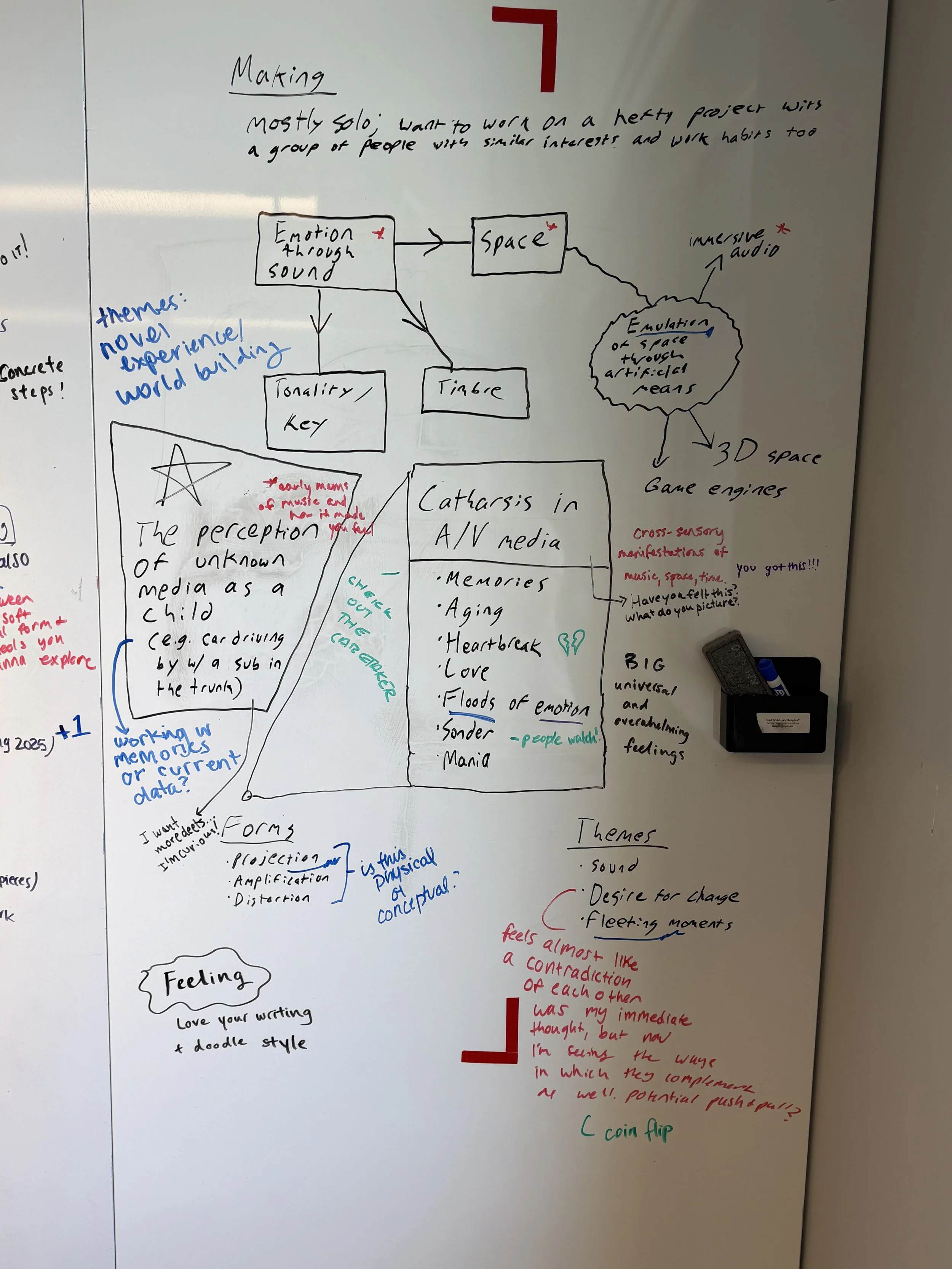
This is my curiosity syllabus that I drew in class on 7/22. Since I am very comfortable with the tools that I’m set on using in my work (TD, Ableton, etc.), I tried to focus more on concepts, which I don’t base my work off of as frequently.
I am hosting my Curiosity Syllabus locally on Obsidian. I am backing it up to a hard drive periodically. I decided to host my files locally because it feels more private; when I wish to share ideas publicly, I will use are.na or my personal blog.
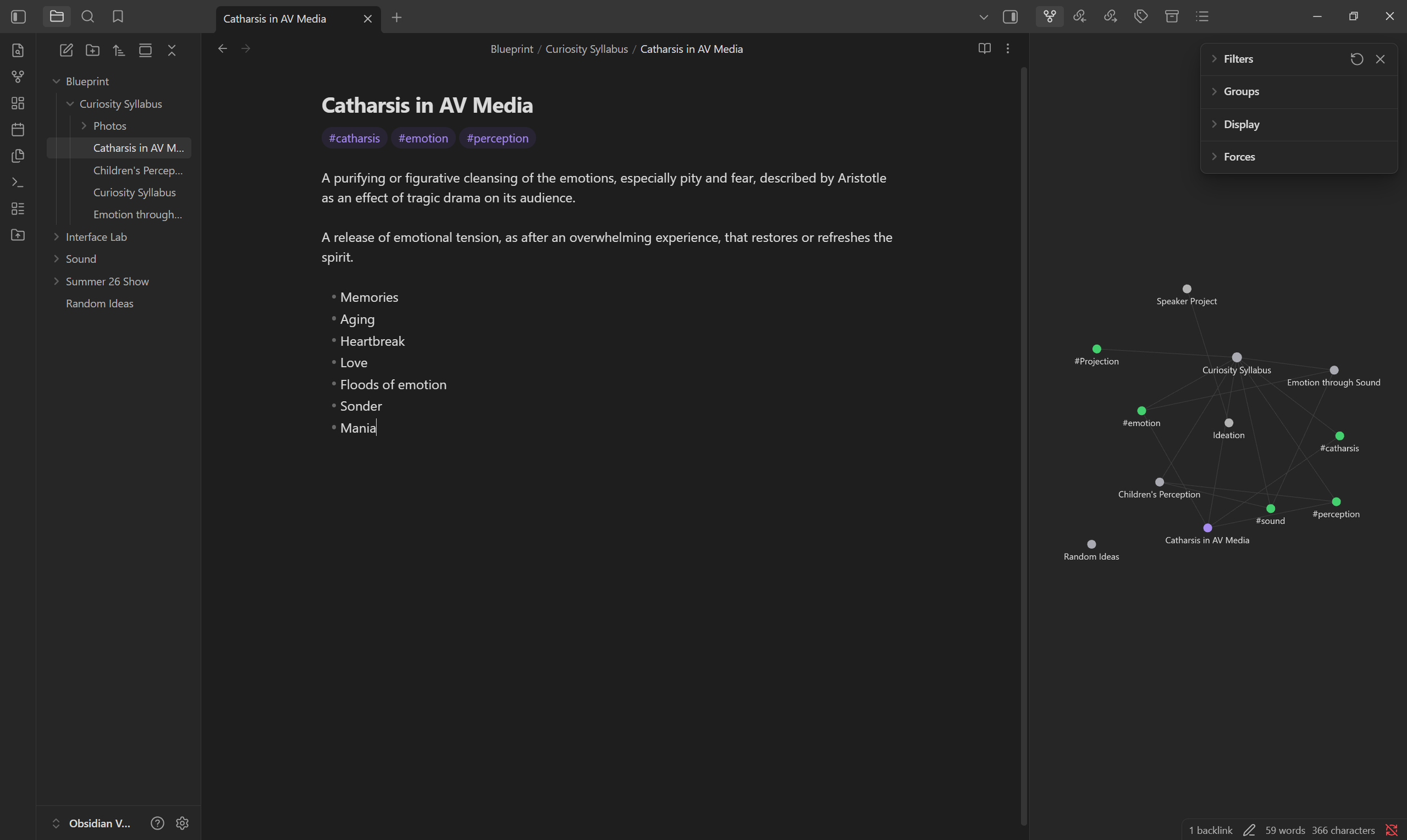
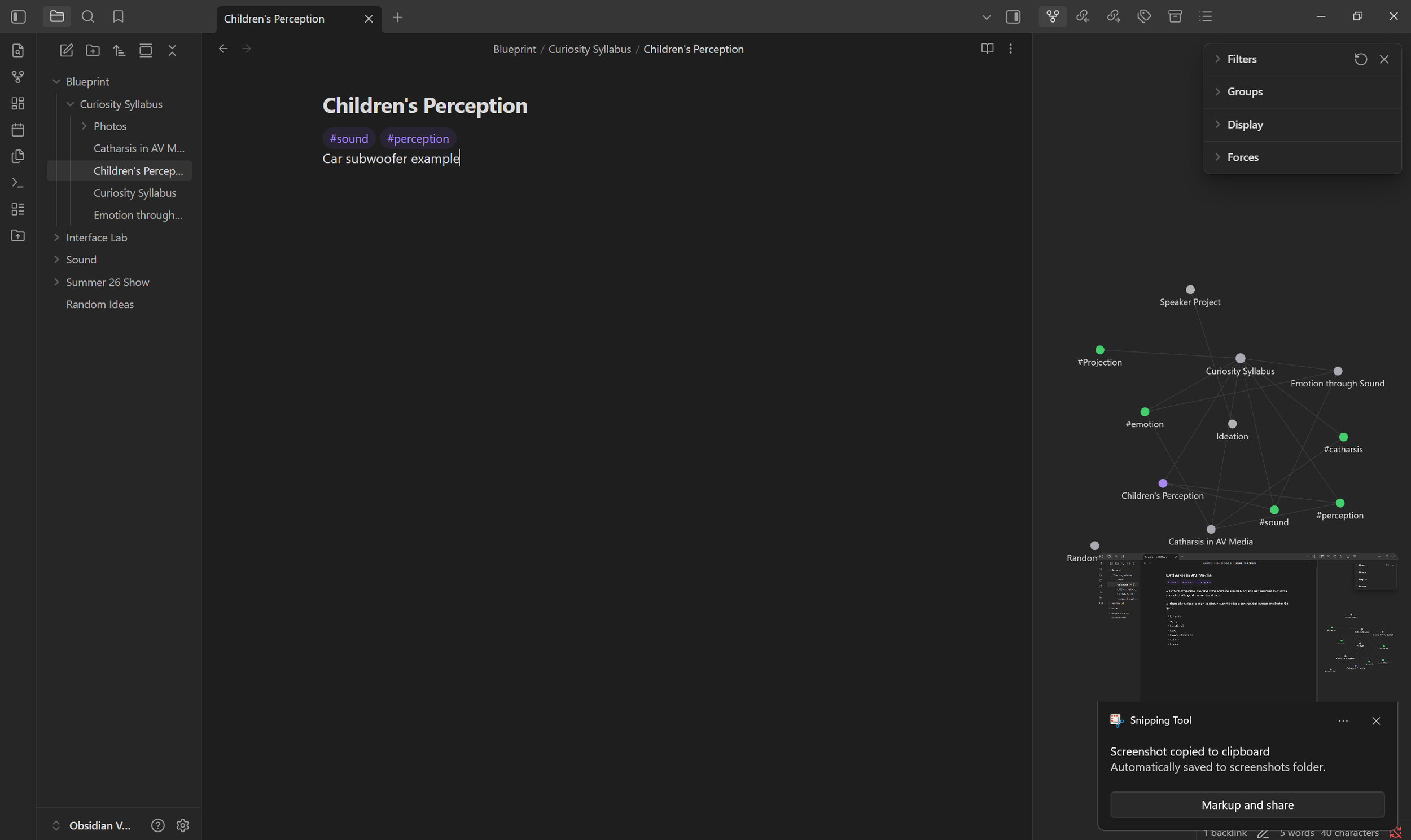
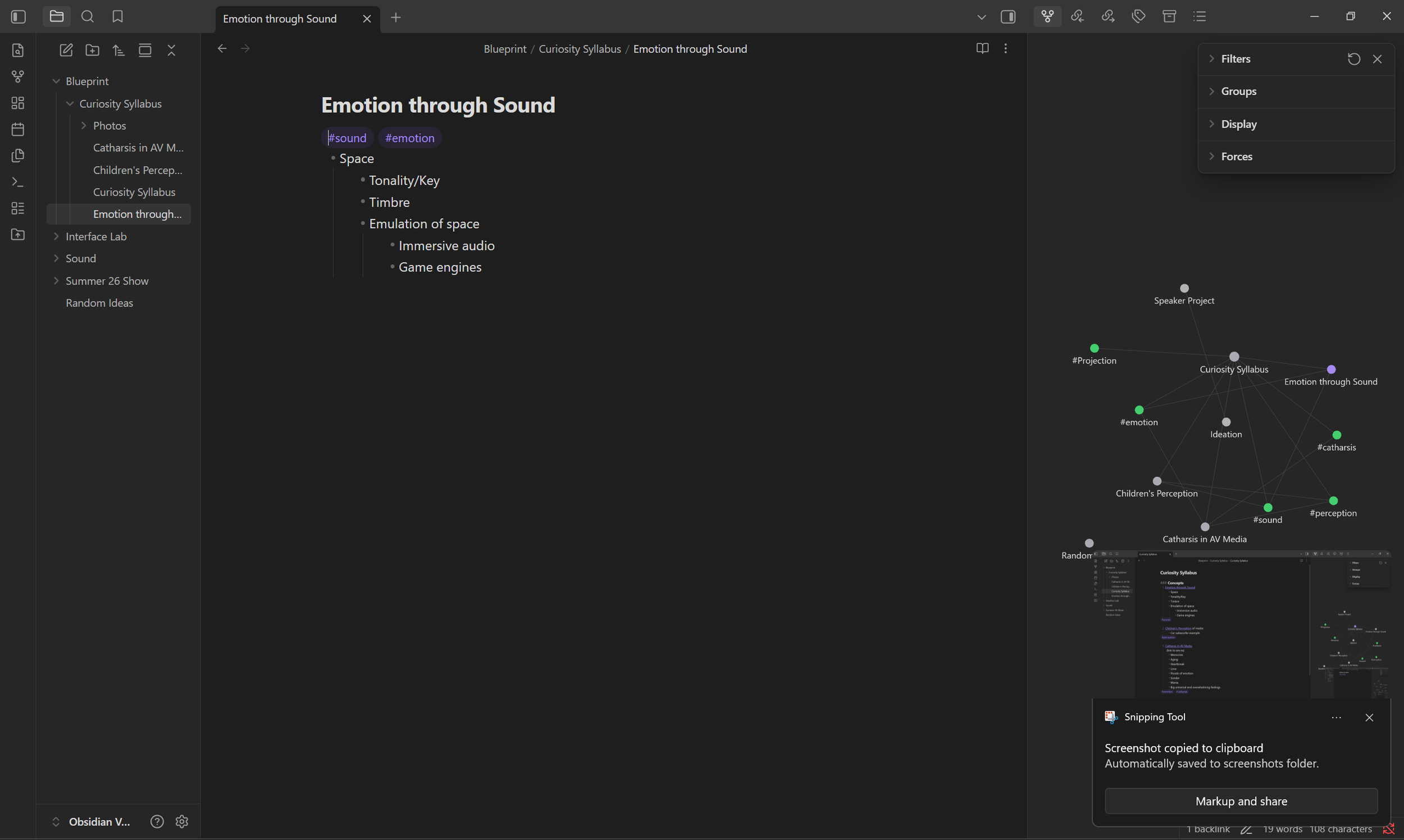
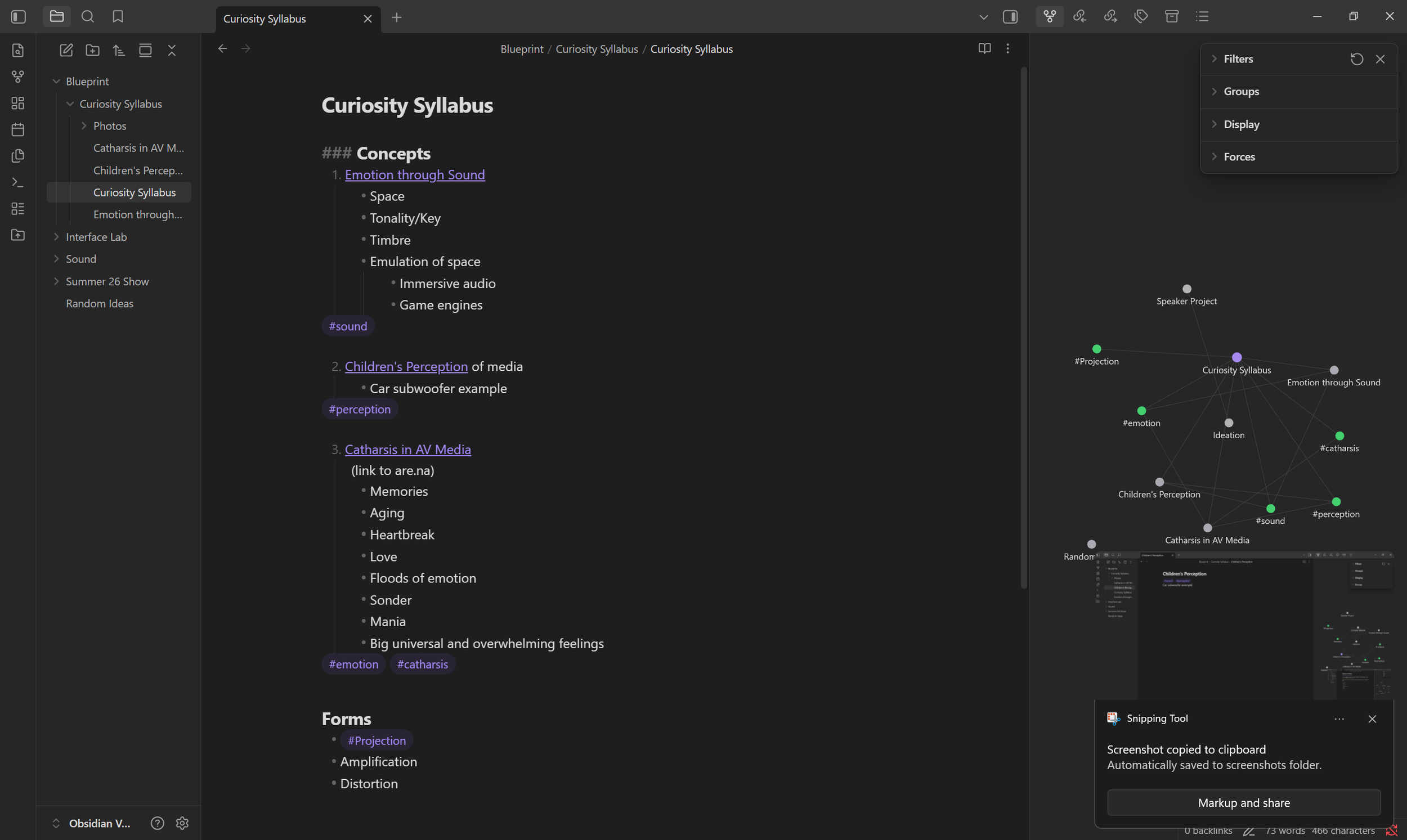
In Obsidian, I have a “main” Curiosity Syllabus page that is linked to individual pages where I can freewrite, gather inspiration, and imagine projects containing the forms and concepts that I gather.
Expanding the Curiosity Syllabus
The three artists whose work I looked at on Rhizome and e-flux are Edward Marshall Shenk, Julia Weist, and Yifei He.
Edward Marshall Shenk
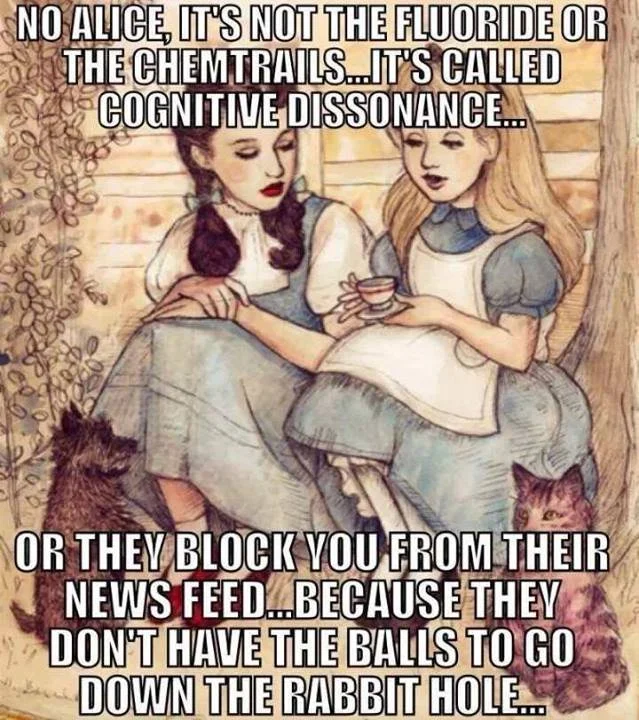
A found conspiracy theory image from Edward Shenk’s collection. Source: Rhizome
What resonated with me in Shenk’s work is his theme of irony.
Unfortunately, Shenk’s website is no longer active, and I cannot find any more information about him on the internet save for Rhizome’s artist profile. Even on Instagram, the only posts I can find containing his name were made 10+ years ago. His Rhizome artist profile was written in 2014. This context is especially interesting considering the content in his collections; today, the meme format of an image with top and bottom text in Impact font are widely accepted in a post-ironic meme community found all over the internet. However, in the early-to-mid-2010s, impact font memes were typically fully unironic, with a shift towards ironic absurdity occurring in the later 2010s. Shenk specifically collected memes in this format that were used to spread conspiracy theories on platforms like Facebook. I read that he did this project with Brad Troemel, who is a social commentator who I really enjoy listening to.
I wish I could actually see the works that Shenk created with his collections of conspiracy theory-based memes, but the link to the work is dead.
Even without much information on him, Shenk’s sardonic collection and display of digital media from the pits of social media are inspiring and important to me.
Julia Weist
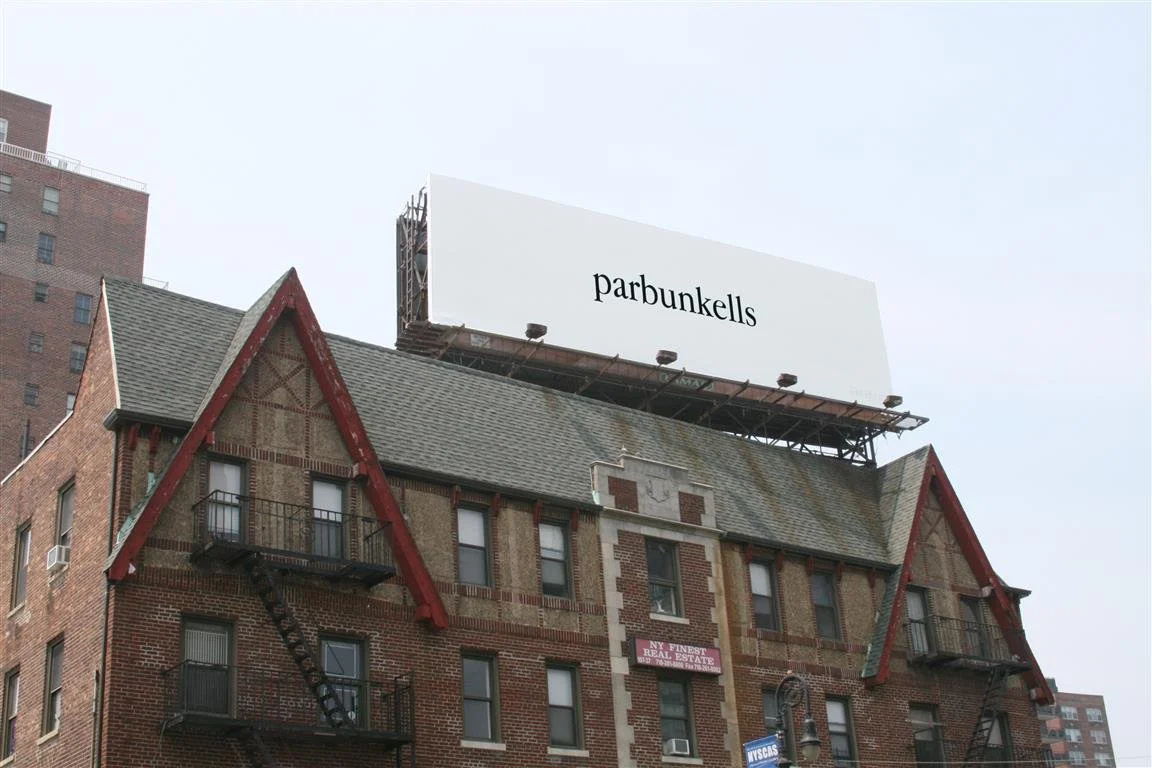
Julia Weist, Reach (2015) at 107-37 Queens Blvd, Forest Hills, New York. Source: Rhizome
In Julia Weist’s work titled Reach, she found a word, “parbunkells,” which at the time had literally never been used online. By displaying the word on a billboard, Weist sought to inspire viewers to Google the word, and their search would only yield one result; a link to her website.
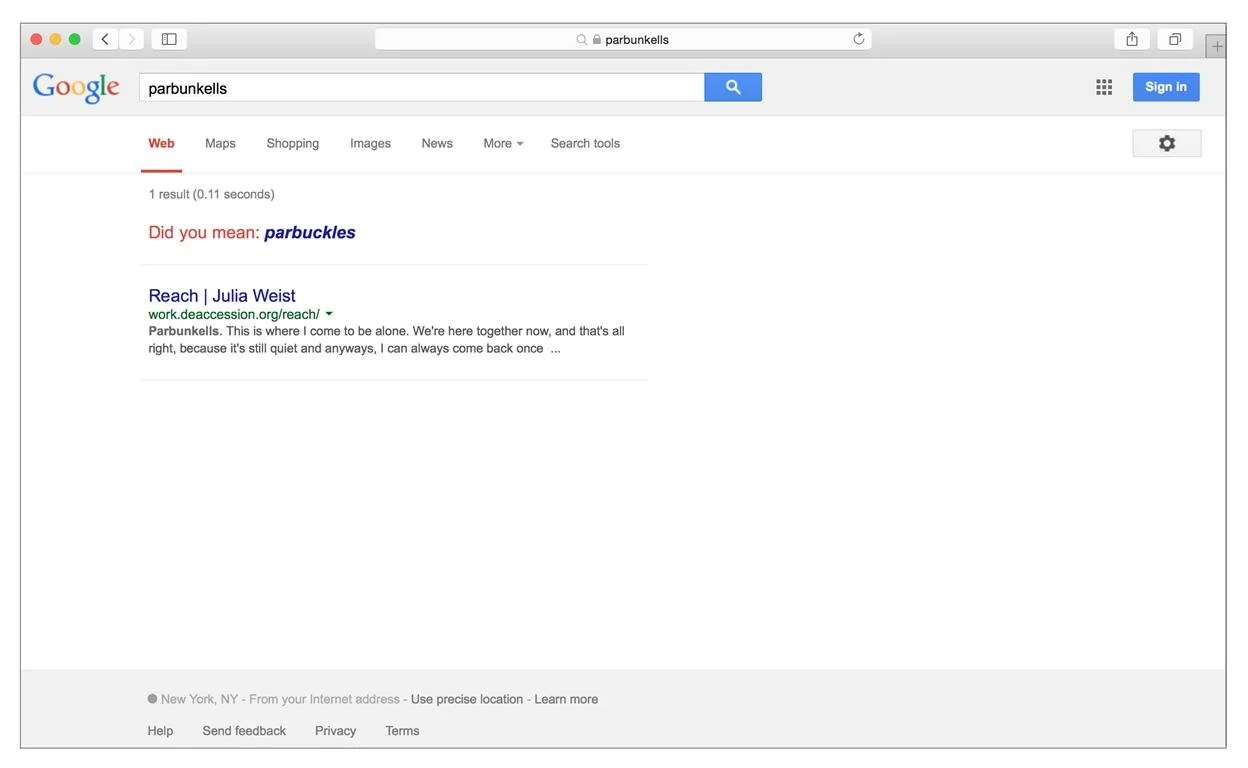
Screengrab of the Google search result for the Reach project (2015). Source: Rhizome
Even today, a Google search for “parbunkells” will still yield results displaying Weist’s Reach project.
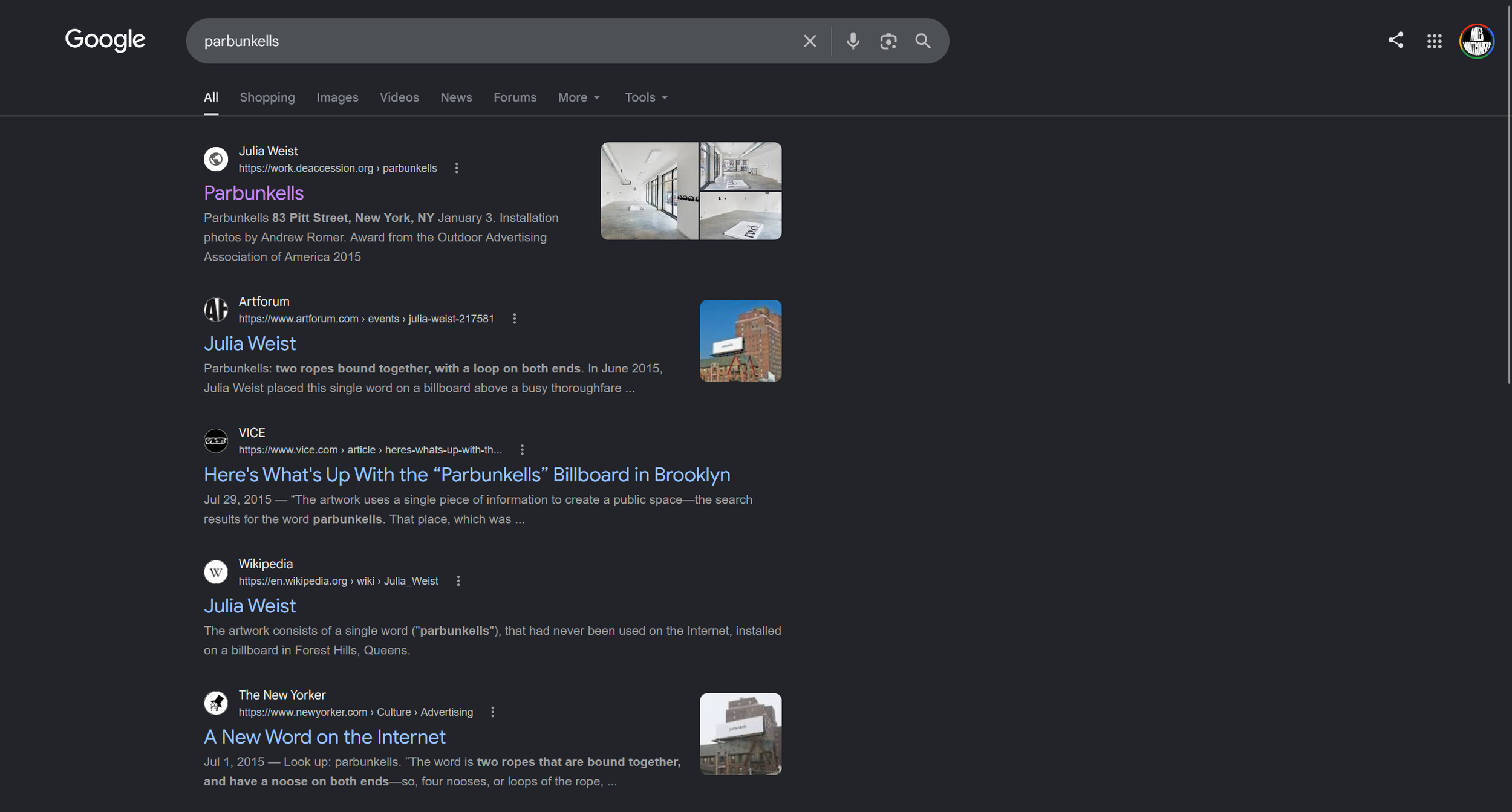
This is an incredible exploration into the use of SEO and algorithms for the spreading of information. What resonates with me in this work is how the artist effectively “cornered” a part of the internet without paying for a domain or implementing complex SEO methods.
I struggle to decide if this work could be replicated today; it could maybe be replicated with a totally random string, like “dxxx9938_QX*YHUJBFNJKMIJU6789#$%^&*(2,” but this removes the fun from Googling what appears to be an actual word, like “parbunkells.”
I admire Weist’s subversive thinking in this project.
Yifei He
This is another enigmatic one; I cannot find any documentation on the internet about the Yifei He who created this specific idea. There are plenty of artists named Yifei He, but none seem do be doing anything similar to the idea proposed in If all the waves can be saved.
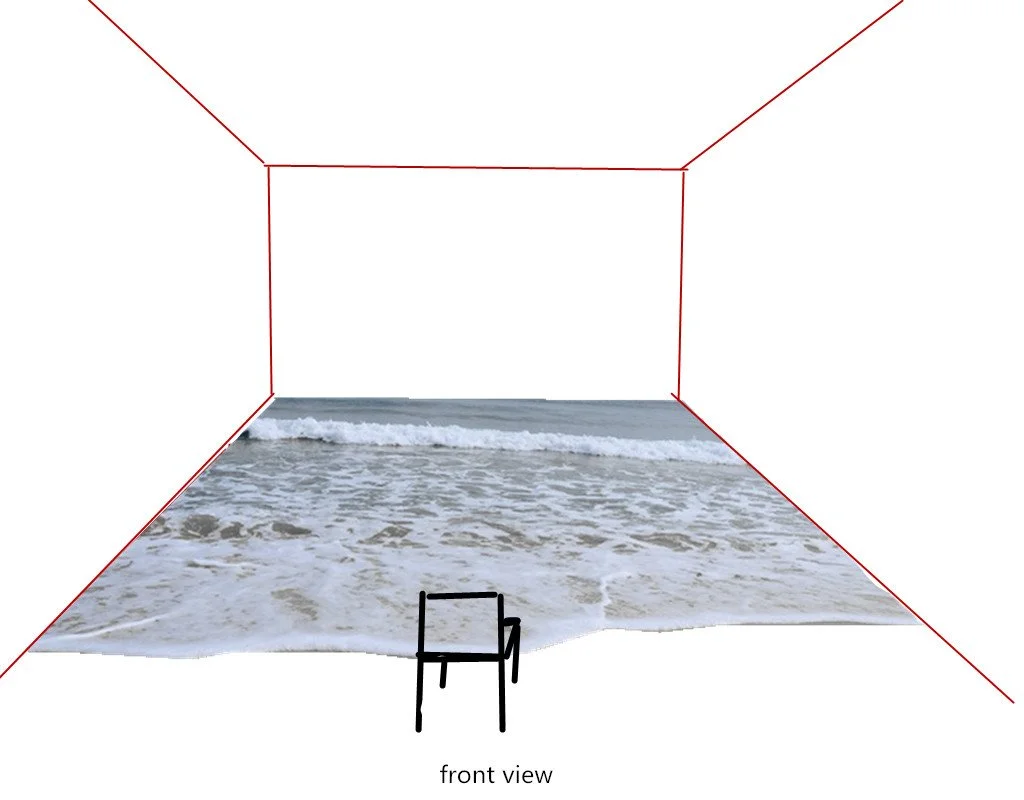
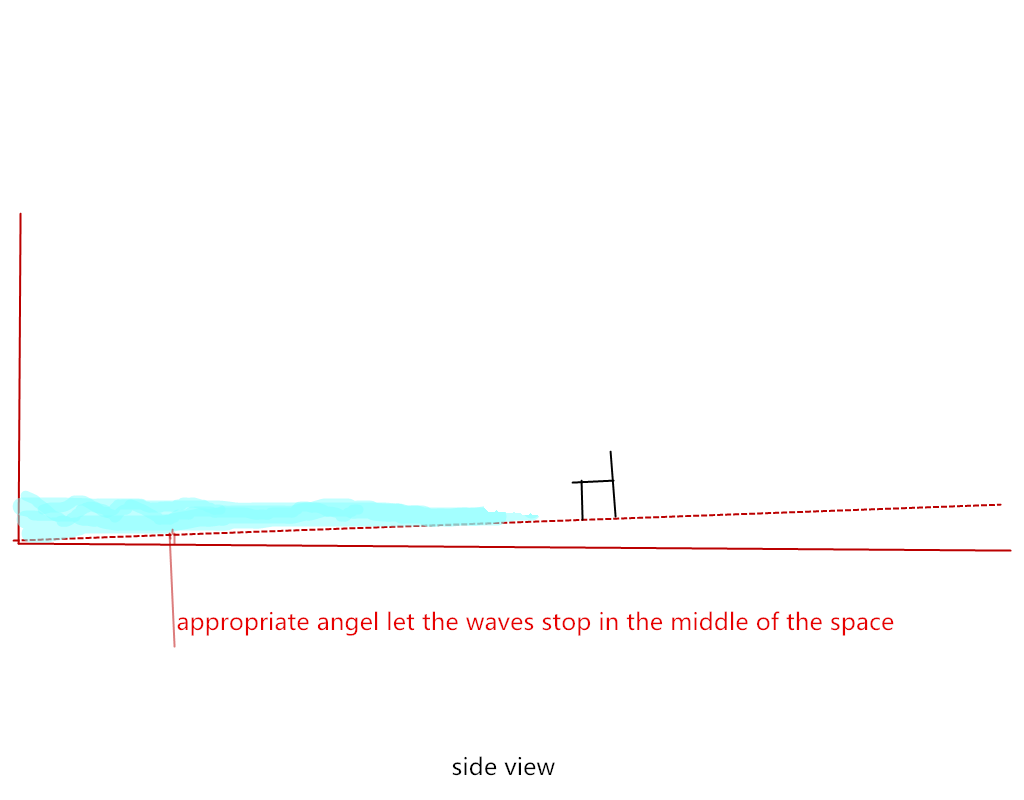
Drawings of He’s project idea. Source: e-flux
This project really made me laugh. I wasn’t laughing at He’s idea; I was more shocked at the awesome absurdity of the idea. To walk into a room with real water splashing in waves at your feet would be a surreal experience. I can understand why the idea for If all the waves can be saved was rejected; the infrastructure required to contain tens or even hundreds of gallons of water and effectively move it in waves would likely cost thousands of dollars, and could even require a gallery to commit to a massive remodeling of their space.
I truly admire the ambition, though, and I feel that the project would really accomplish something in the right space for execution. The project could also be done with a video or simulation of waves projected onto the floor, but it would not have the same effect as real water.
For some reason, I think that this could be a great installation at a high-end spa like BATHHOUSE. It could serve as a therapeutic “wave room” where patrons can sit and relax to the sound of real waves crashing in front of them.
Reflection
All three of the projects and artists who I looked at had strong themes of absurdity. The fringe internet images in Shenk’s work, the almost-imaginary Google keyword of Weist’s Reach, and the unrealizable nature of He’s If all the waves can be saved are all interesting takes on what is practical and commonplace in our world, both physically and digitally.
In Shenk’s work, I am particularly fascinated by the dark, uncomfortable themes that he portrays. He forces his viewers to be exposed to extremely fringe ideas that they may not typically see on the internet. Revealing these corners of the internet to an audience that is usually detached from it can be both humorous and dark; some might laugh at the ridiculous format that alt-right conspiracy theorists use to disseminate information, while others might feel terror at the fact that such theories are being spread right under our noses on platforms like Facebook.
In my curiosity syllabus, I noted this as a concept that I’d like to explore in the future; I might try web scraping on forums like 4chan, where the vast majority of users share alt-right, racist, and incel ideologies. I’d be careful to not compile research merely for shock value, though; it could be more effective to frame such source material in ways that are more of an analog to “normal” human behavior, so viewers can form their own interpretations.