Anatomy of an AI System
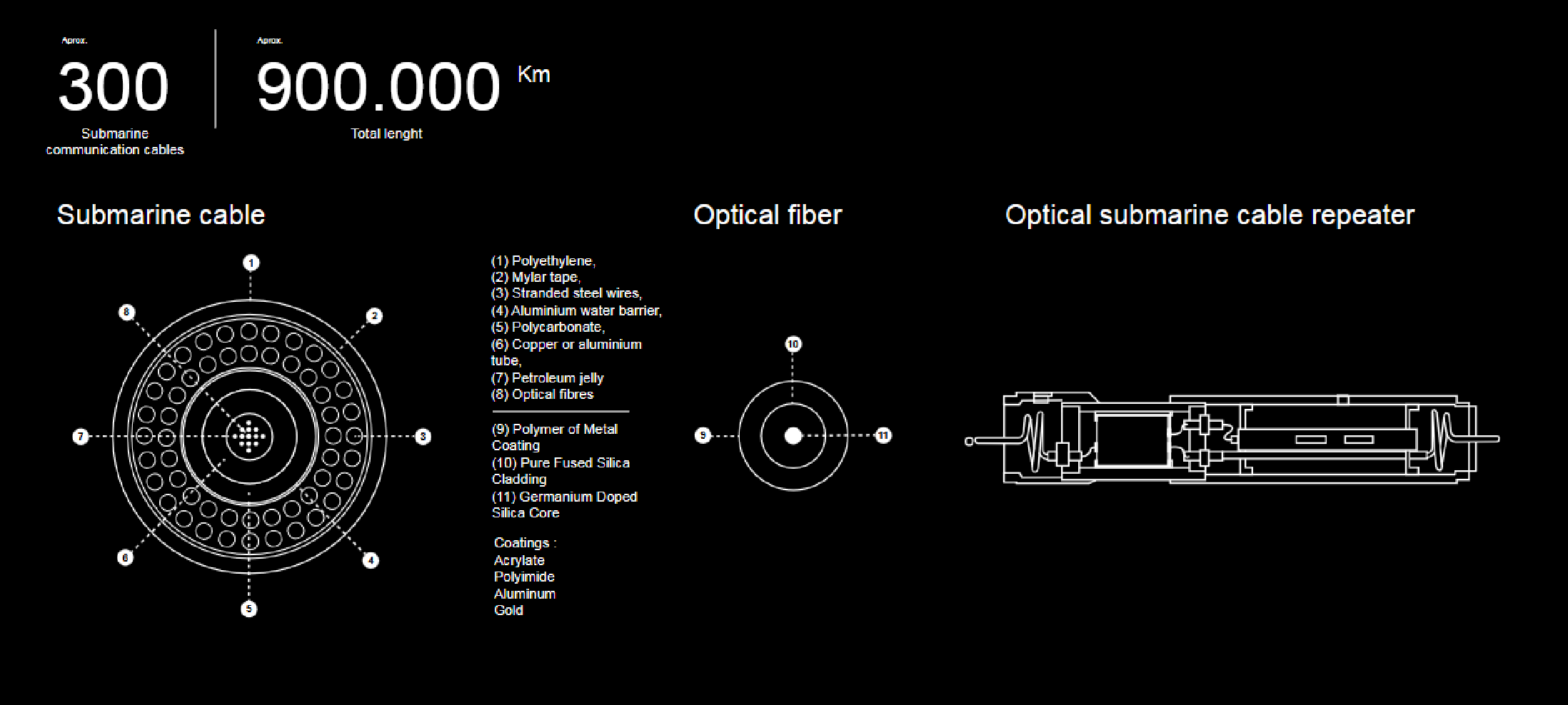
The most interesting thing to me on the Anatomy of an AI System map is the submarine cable diagram. The map of the world with all of the submarine cables shown in the oceans feels so strange to look at; I’m not used to seeing maps with completely blank continents and oceans full of stuff. Also, 900,000Km of underwater cabling is an unimaginable length, and it’s incredible how I could email someone in Australia right now with a signal that travels across the whole globe.
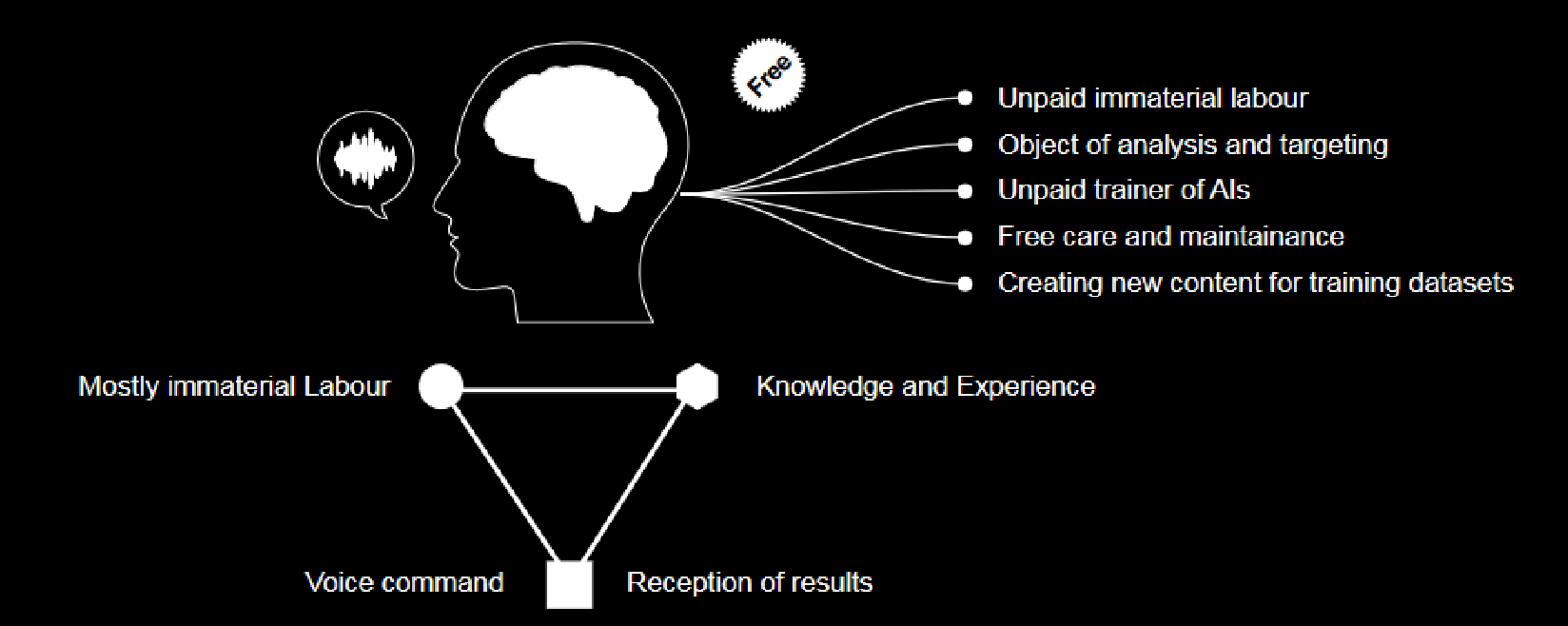
The most surprising thing that I noticed on the map is how user input is often referred to as “immaterial labor.” In section 6 of the writing, the authors note that humans are “also a resource, as their voice commands are collected, analyzed and retained for the purposes of building an ever-larger corpus of human voices and instructions.” This is the first I’ve learned about Echo devices recording and storing users’ voices. This is obviously very alarming and has worrying implications for the future regarding privacy and safety. On the map, user input is shown at the top center, and it doesn’t pop up again until the “AI Training” section at the very bottom, where the user’s voice recordings cross the threshold from “public” to “private” as Amazon takes control of the user’s data. In that same section, “user labor” is categorized as “unrecognized labor.”
Honestly, thinking about time I spend using digital algorithms as “unpaid labor” makes the idea kind of revolting.
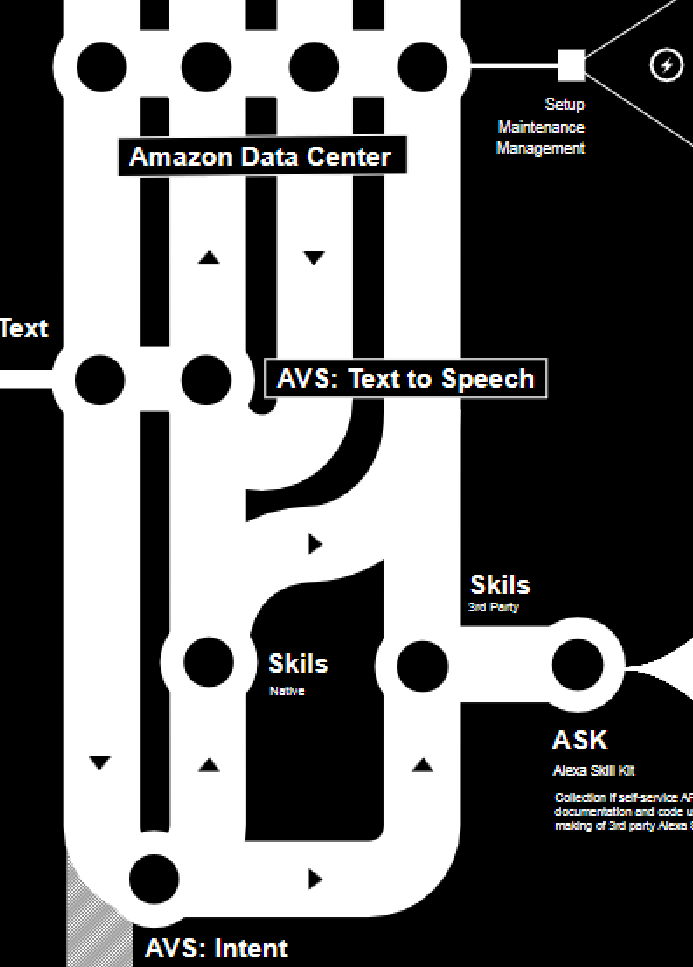
The most confusing thing I found on the AI System map are the thick white lines running vertically in the center of the map. I understand that they are representative of humans’ interactions with the Echo device, but the specific layout of the lines is confusing, like what the gaps represent, or why arrows only flow in one direction in some places.